Eid, Independence Day and Mango Mela
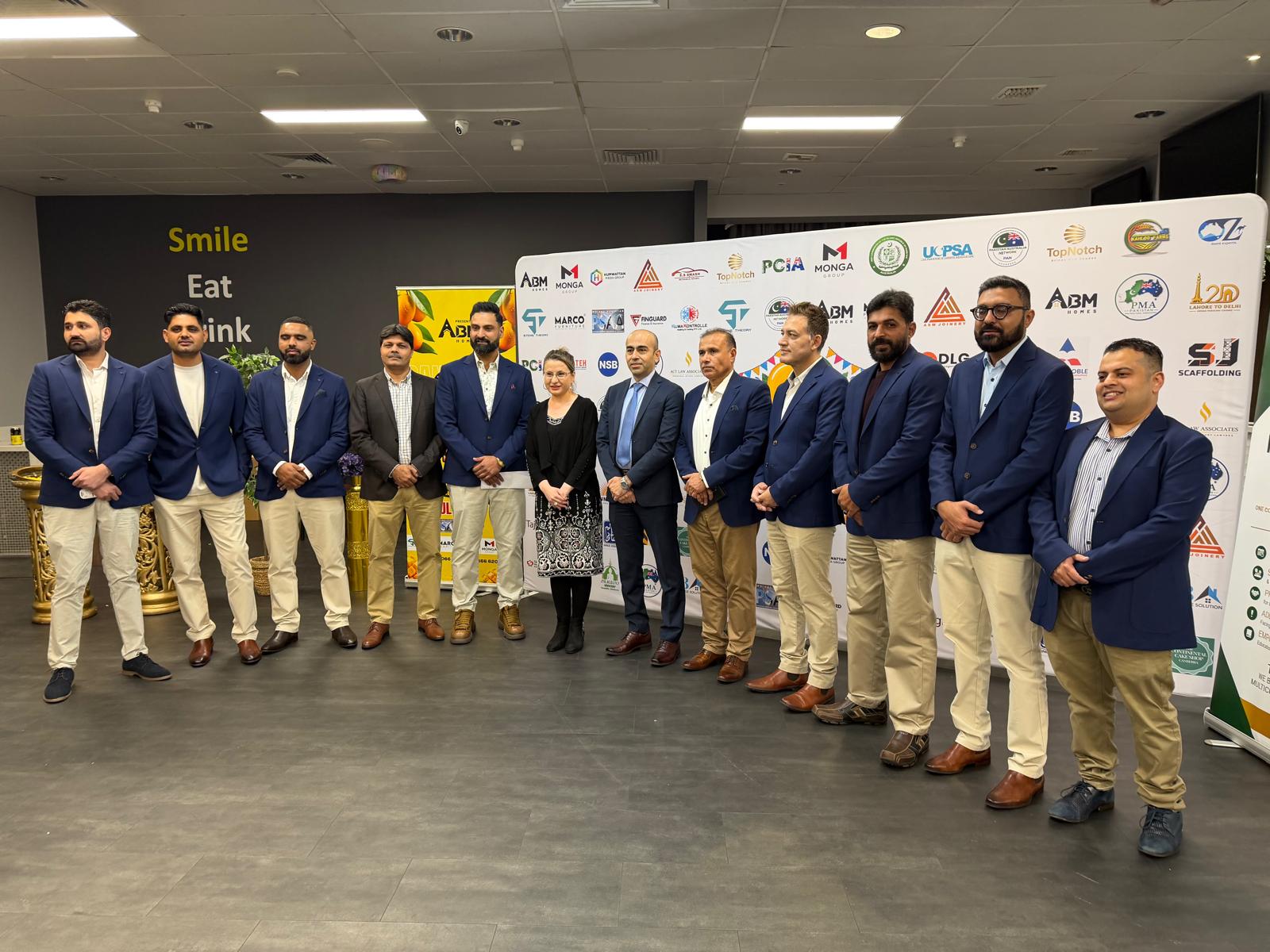
Pakistani Australians mark the year through a small number of festivals that anchor family, faith and community life. In Canberra these gatherings are also open invitations — most are family friendly and welcome neighbours from every background.
Eid al-Fitr closes the month of Ramadan with a morning of prayer, new clothes and shared sweets such as sheer khurma. Eid al-Adha, later in the year, is a day of prayer and giving. On 14 August, Independence Day is celebrated with the raising of the flag, poetry, national songs and community dinners honouring 1947.
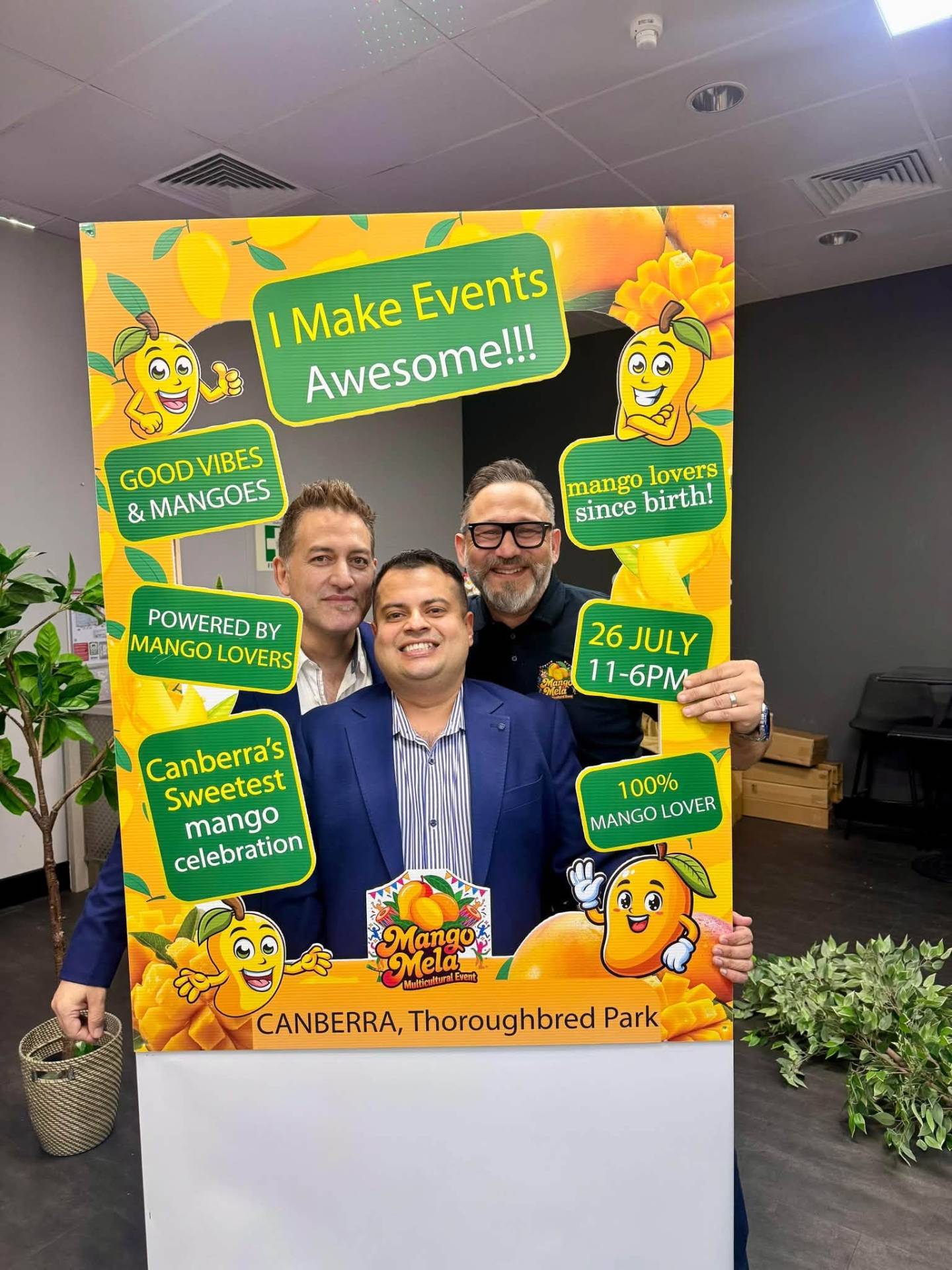
In July, the association hosts Mango Mela at Thoroughbred Park — a full-day celebration of the season's premium Pakistani mangoes, alongside authentic food stalls, cultural performances, children's activities and local businesses.
“Festivals here are open invitations — most are family friendly and welcome neighbours from every background.”
- Eid al-Fitr
- Marks the end of Ramadan
- 14 August
- Pakistan Independence Day
- Mango Mela
- Held each July in Canberra
A cuisine of hospitality
Pakistani cooking is a regional cuisine — Punjabi, Sindhi, Pashtun, Balochi and Kashmiri kitchens each bring their own staples. What unites them is a table built for guests: something slow-cooked, something grilled, warm bread, rice, and always a pot of chai.
Familiar dishes at PMA events include biryani, nihari, haleem, karahi, seekh and chapli kebabs, chana chaat and samosas. Sweets such as gulab jamun, jalebi, kheer and barfi appear at Eid and weddings. Cardamom chai is offered at almost every gathering — an unspoken welcome.
“Cardamom chai is offered at almost every gathering — an unspoken welcome.”
Shalwar kameez, sherwani and dupatta
The shalwar kameez — a loose tunic worn over drawstring trousers — is the everyday and formal dress for both women and men across Pakistan, and the most recognisable garment at PMA events. Women often pair it with a dupatta, a long scarf drawn across the shoulders or head.
For weddings and Eid, men wear the sherwani, a long tailored coat, often with a Jinnah cap. Women may wear a lehenga or a heavily embroidered kameez. Embroidery traditions such as Sindhi ajrak, Balochi mirror-work and Punjabi phulkari carry regional identity and are frequently displayed at cultural evenings in Canberra.
- Shalwar kameez
- Everyday & formal dress
- Sherwani
- Formal coat for weddings & Eid
- Dupatta
- Scarf worn across the shoulders
Elders, hospitality and neighbours
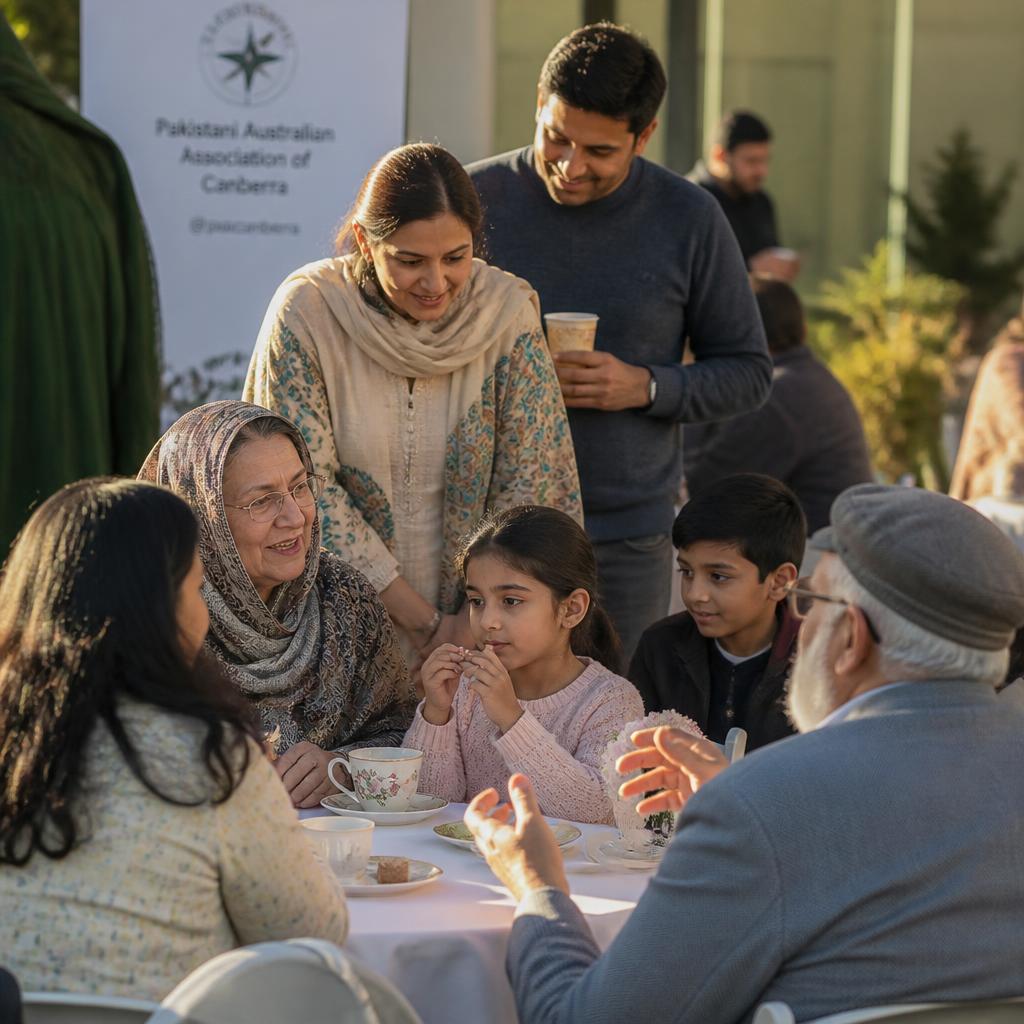
Pakistani family life places strong emphasis on elders, extended family and the practice of hospitality — a guest is honoured, and no visitor leaves without being offered tea and something to eat. These same values shape how the association operates in Canberra.
PMA members regularly gather for iftar dinners during Ramadan, welcome new arrivals to the city, support students at ANU and the University of Canberra, and stand alongside other multicultural associations at High Commission functions and civic events.
“A guest is honoured, and no visitor leaves without being offered tea and something to eat.”
Urdu, Punjabi and everyday phrases
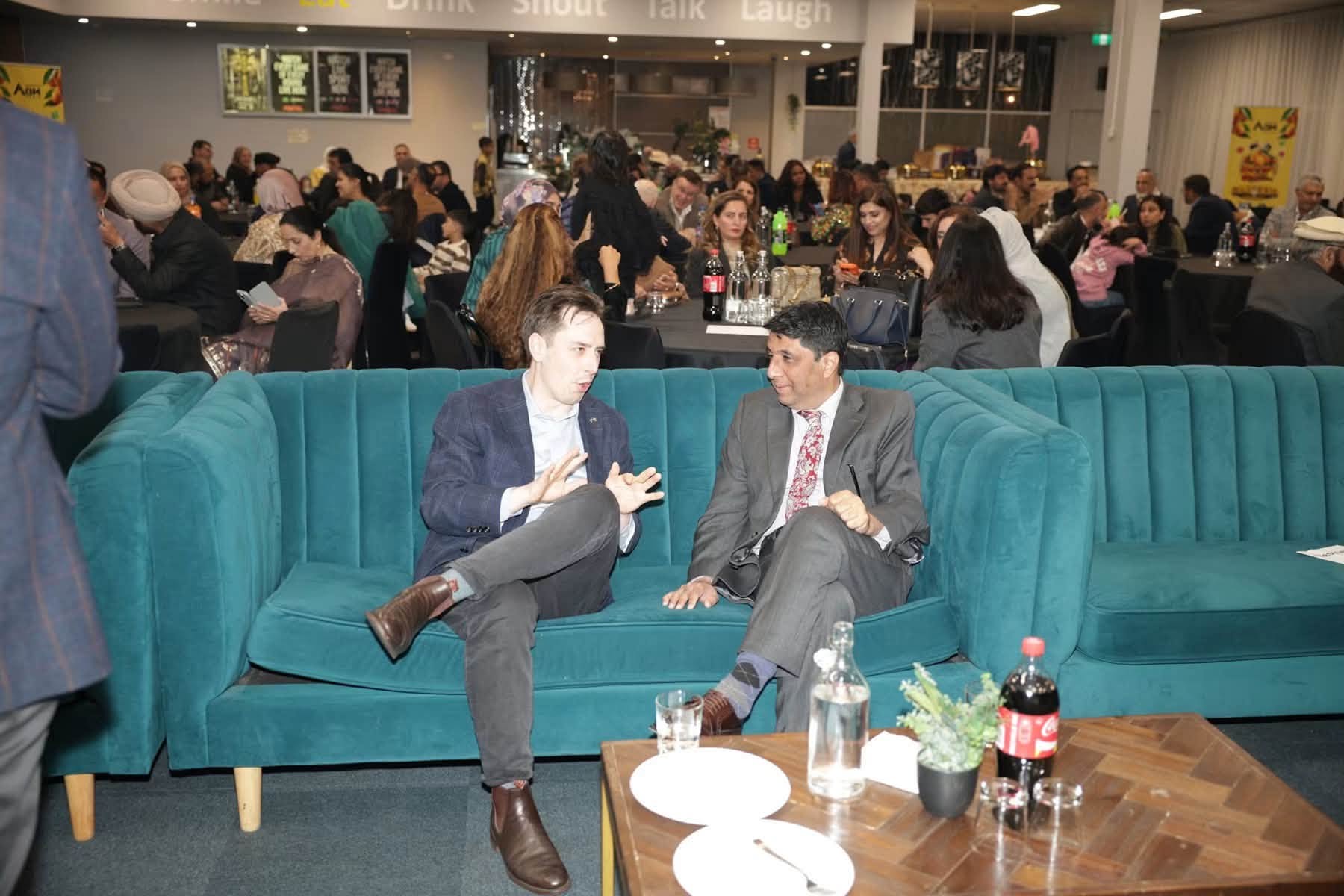
Urdu is Pakistan's national language and the shared language of most community events, alongside English. Regional languages — Punjabi, Sindhi, Pashto, Balochi and Saraiki — are spoken at home by many families.
A few phrases go a long way at PMA events: Assalamu alaikum (peace be upon you) as a greeting, walaikum assalam in reply, shukriya for thank you, and Eid Mubarak on festival days.
- Assalamu alaikum
- Peace be upon you
- Walaikum assalam
- And peace to you
- Shukriya
- Thank you
- Eid Mubarak
- Blessed Eid
A growing community in the ACT
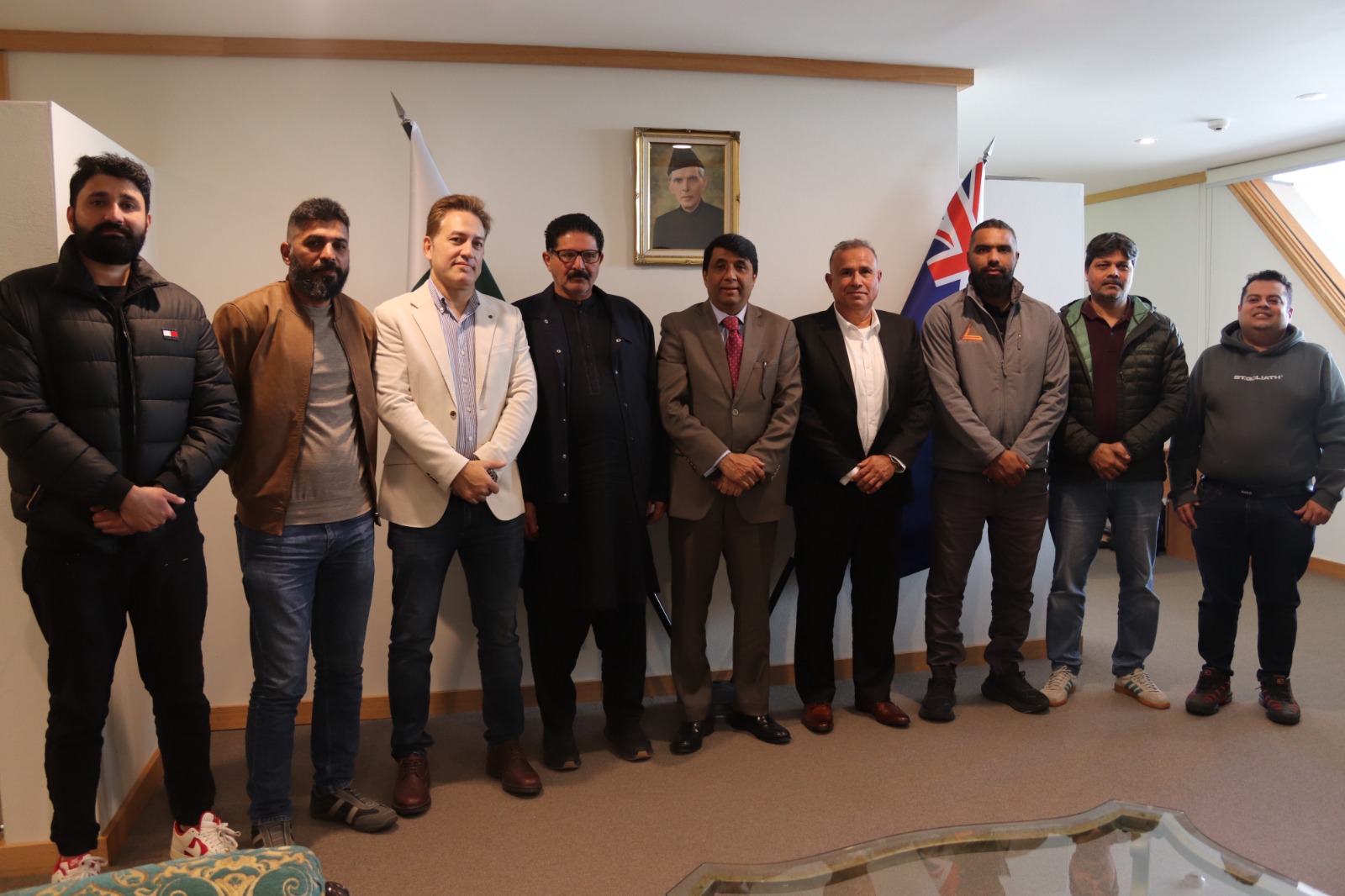
Canberra is home to a growing Pakistani Australian community — public servants, healthcare workers, engineers, small-business owners, academics and students. The Pakistan Multicultural Association was formed to give that community a shared platform: a place to celebrate heritage, welcome new families, and contribute to the wider ACT.
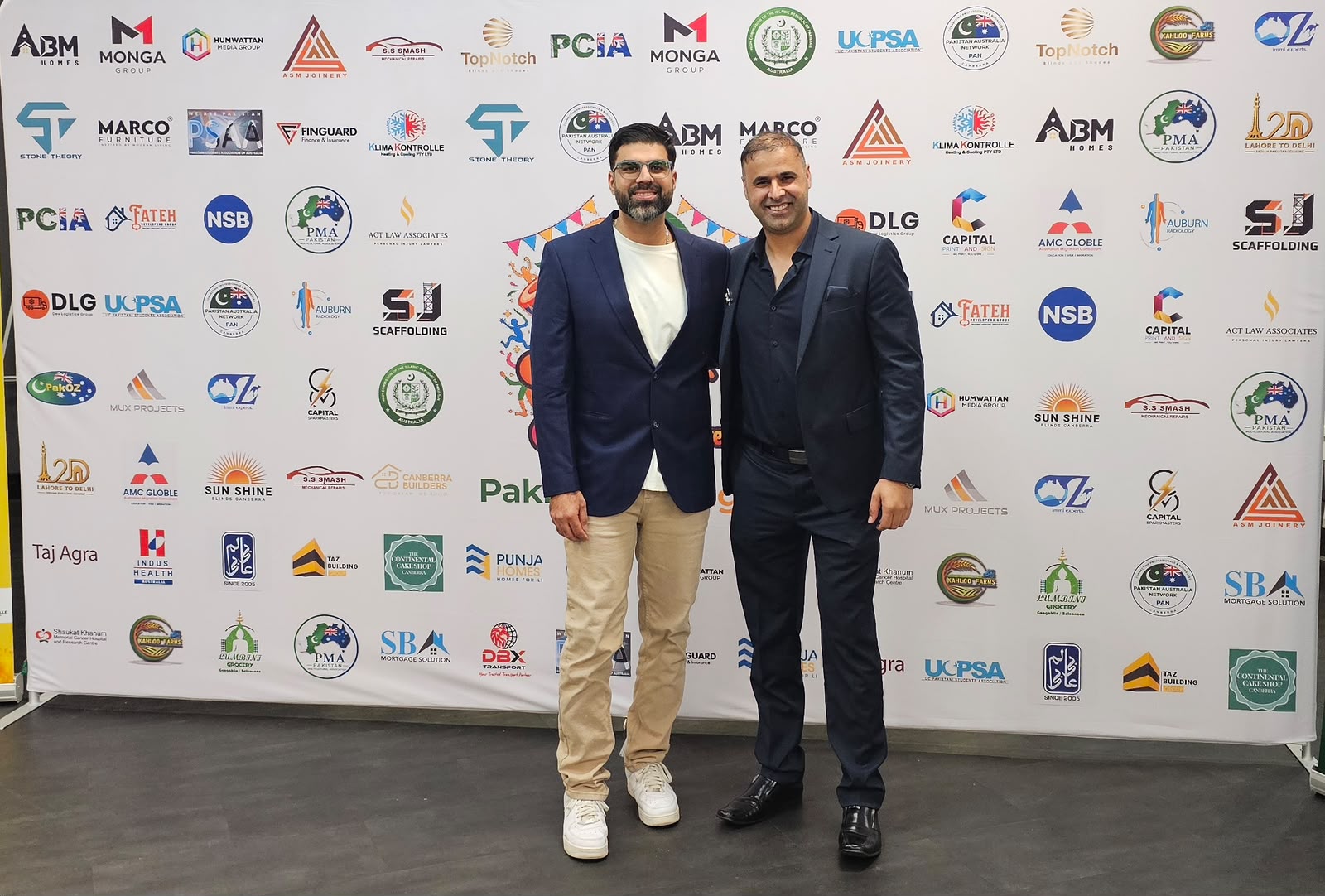
The association works in partnership with the Pakistan High Commission, the ACT Government, multicultural councils and local businesses to run public events, cultural exchanges and support activities throughout the year.